

服務(wù)熱線




濟(jì)南機(jī)箱機(jī)柜安裝務(wù)必要需要關(guān)注的三個大項和34個小項
發(fā)布時間:2025-12-17 來源:http://www.n13b.com/ 瀏覽量:
一 機(jī)柜安裝要求一 機(jī)柜安裝要求1、 機(jī)柜安裝前必須檢查機(jī)柜排風(fēng)設(shè)備是否完好,設(shè)備托板數(shù)量是否齊全以及滑輪、支撐柱是否完好等
Installation requirements for one cabinet: 1. Before installing the cabinet, it is necessary to check whether the exhaust equipment of the cabinet is intact, whether the number of equipment pallets is complete, and whether the pulleys and support columns are intact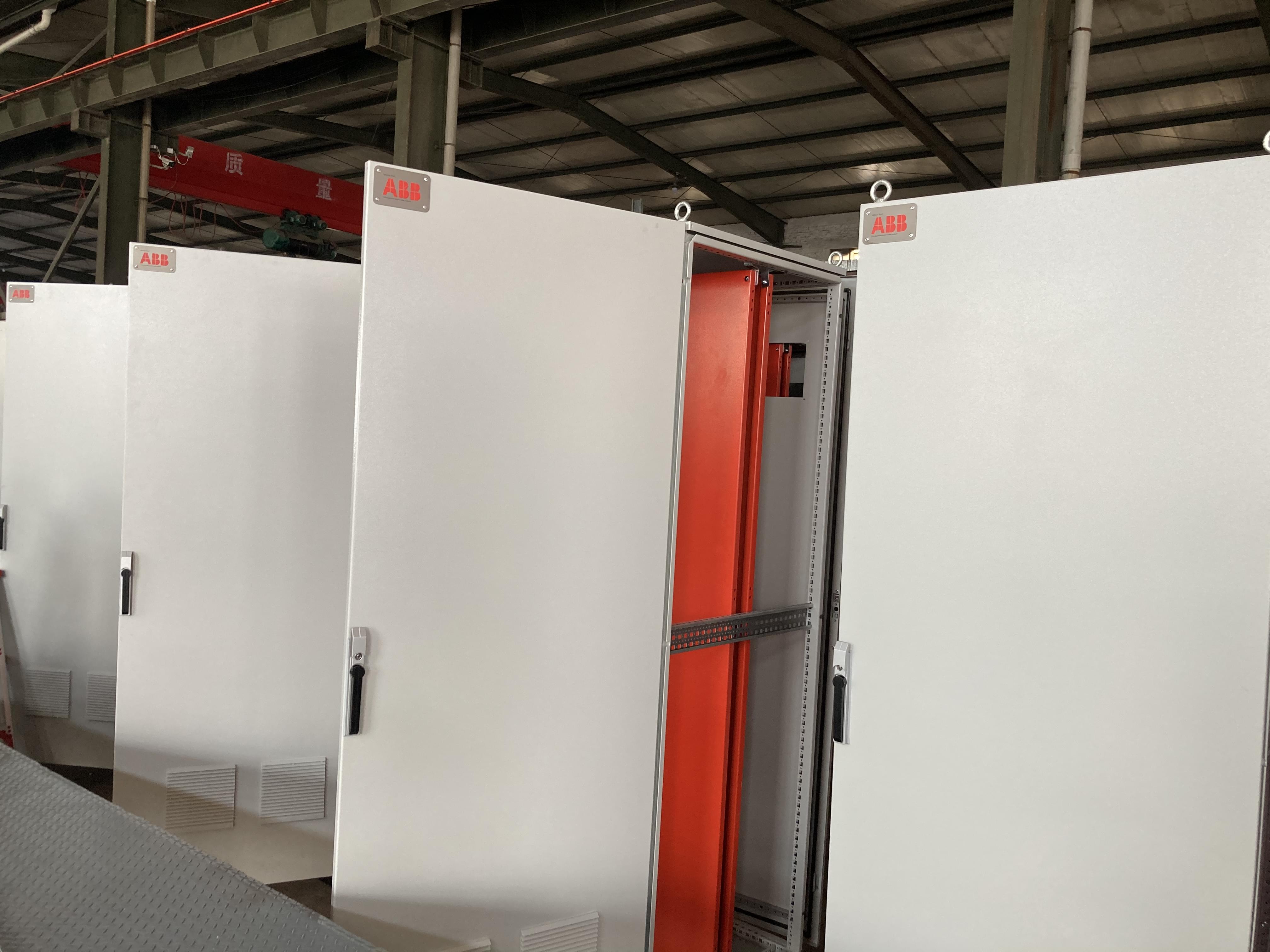
2、 機(jī)柜型號、規(guī)格,安裝位置,應(yīng)符合設(shè)計要求。 3、 機(jī)柜安裝垂直偏差度應(yīng)不大于3mm,水平誤差不應(yīng)大于2mm。幾個機(jī)柜并排在一起,面板應(yīng)在同一平面上并與基準(zhǔn)線平行,前后偏差不得大于3mm;兩個機(jī)柜中間縫隙不得大于3mm。對于相互有一定間隔而排成一列的設(shè)備,其面板前后偏差不得大于5mm;4、 機(jī)柜的各種零件不得脫落或碰壞,漆面如有脫落應(yīng)預(yù)以補漆,各種標(biāo)志應(yīng)完整、清晰;5、 機(jī)柜安裝應(yīng)牢固,有抗震要求時,按施工圖的抗震設(shè)計進(jìn)行加固;6、 機(jī)柜不宜直接安裝在活動地板上,宜按設(shè)備的底平面尺寸制作底座,底座直接與地面固定,機(jī)柜固定在底座上,然后鋪設(shè)活動地板;7、 安裝機(jī)柜面板,架前應(yīng)預(yù)留有800mm空間,機(jī)柜背面離墻距離應(yīng)大于600mm,以便于安裝和施工;8、 壁掛式機(jī)柜距地面宜為1200mm;9、 機(jī)柜內(nèi)的設(shè)備、部件的安裝,應(yīng)在機(jī)柜定位完畢并固定后進(jìn)行,安裝在機(jī)柜內(nèi)的設(shè)備應(yīng)牢固10、 機(jī)柜上的固定螺絲、墊片和彈簧墊圈均應(yīng)按要求緊固不得遺漏;11、 懸掛式壁掛安裝應(yīng)安裝在平整堅固的墻面上,距離地面少300mm,保持與墻面水平、垂直,垂直偏差應(yīng)小于3mm。12、 墻體上開孔應(yīng)避免破壞墻體內(nèi)管線,開孔深度不得低于70mm,固定機(jī)柜所用膨脹螺絲釘不得少于4個(懸掛式C型機(jī)柜為6個)。必要時須在機(jī)柜下放置支撐物,以保證機(jī)柜的穩(wěn)固。13、 落地式柜體安裝,安裝基座時要綜合考慮機(jī)柜的開門方向和操作便利性,優(yōu)先考慮配線艙的開門方向。設(shè)備艙門和配線艙門必須能完全開啟。14、 機(jī)柜要做好防雷接地保護(hù)。15、 柜體安裝完畢應(yīng)做好標(biāo)識,標(biāo)識應(yīng)統(tǒng)一、清晰、美觀。機(jī)箱安裝完畢后,柜體進(jìn)出線纜孔洞應(yīng)采用防火膠泥封堵。做好防鼠、防蟲、防水和防潮處理。
2. The cabinet model, specifications, and installation location should meet the design requirements. 3. The vertical deviation of cabinet installation should not exceed 3mm, and the horizontal error should not exceed 2mm. Several cabinets should be placed side by side, and the panels should be on the same plane and parallel to the reference line. The front to back deviation should not exceed 3mm; the gap between two cabinets should not exceed 3mm. For equipment arranged in a row with a certain distance from each other, the front to back deviation of the panels should not exceed 5mm; 4. All parts of the cabinet should not fall off or be damaged, and if the paint surface falls off, it should be repainted in advance. All markings should be complete and clear; 5. The cabinet installation should be firm, and if there are seismic requirements, reinforcement should be carried out according to the seismic design in the construction drawing; 6. The cabinet should not be directly installed on the raised floor. It is advisable to make a base according to the bottom plane size of the equipment, fix the base directly to the ground, fix the cabinet on the base, and then lay the raised floor; 7. Install the cabinet panel, with a reserved space of 800mm in front of the rack, and the distance between the back of the cabinet and the wall should be greater than 600mm for easy installation and construction; 8. The wall mounted cabinet should be 1200mm above the ground; 9. The installation of equipment and components inside the cabinet should be carried out after the cabinet is positioned and fixed, and the equipment installed inside the cabinet should be firm. 10. The fixing screws, washers, and spring washers on the cabinet should be tightened as required without omission; 11. Suspended wall mounted installation should be installed on a flat and sturdy wall surface, at least 300mm away from the ground, kept horizontal and vertical to the wall, with a vertical deviation of less than 3mm. 12. Holes on the wall should avoid damaging the pipelines inside the wall, and the depth of the holes should not be less than 70mm. The number of expansion screws used to fix the cabinet should not be less than 4 (6 for suspended C-type cabinets). If necessary, supports must be placed under the cabinet to ensure its safety and stability. 13. When installing a floor standing cabinet, the opening direction and ease of operation of the cabinet should be considered comprehensively when installing the base, with priority given to the opening direction of the wiring compartment. The equipment cabin door and wiring cabin door must be able to be fully opened. 14. The cabinet should be well protected against lightning and grounding. 15. The cabinet should be properly labeled after installation, and the labeling should be uniform, clear, and aesthetically pleasing. After the installation of the chassis, the cable holes in and out of the cabinet should be sealed with fireproof adhesive. Take measures to prevent rodents, insects, water, and moisture.
二 機(jī)柜內(nèi)設(shè)備的安裝布局及要求 機(jī)柜內(nèi)設(shè)備的安裝布局1、 機(jī)柜由上到下主要分為四個區(qū)域:交流分配單元、配線架、有源設(shè)備、光纜終端盒。
Installation layout and requirements of equipment in the second cabinet: 1. The cabinet is mainly divided into four areas from top to bottom: AC distribution unit, distribution frame, active equipment, and optical cable terminal box.
2、 交流配電單元從性的要求放在機(jī)柜的上端。3、 語音及網(wǎng)絡(luò)配線架安裝在易于操作的位置,放在交流配電單元的下面。4、 配線架往下為有源設(shè)備區(qū):差不多的設(shè)備根據(jù)功能及線纜連接需要安排位置,比如交換機(jī)、路由器,光端機(jī),網(wǎng)橋,三者是一一連接的,為了防止信號線的交叉及功能區(qū)域的易于維護(hù),的排列順序從下往上是光端機(jī)->網(wǎng)橋->路由器->交換機(jī)。大的設(shè)備安裝在機(jī)柜下部,并且使用機(jī)柜托盤承重。光纖收發(fā)器由于體積小,數(shù)量多,無法在機(jī)柜里面固定安裝,也放在托盤上安裝。5、 層放光纜終端盒,也放在托盤上安裝。
2. The communication distribution unit is placed at the top of the cabinet for safety requirements. 3. The voice and network distribution frame is installed in an easy to operate location, under the AC distribution unit. 4. The active equipment area is located below the distribution frame: similar devices are arranged according to their functions and cable connections, such as switches, routers, optical transceivers, and bridges, which are connected one by one. In order to prevent signal line crossing and facilitate maintenance of functional areas, the best arrangement order from bottom to top is optical transceivers ->bridges ->routers ->switches. Large equipment is installed at the bottom of the cabinet and supported by cabinet trays. Due to their small size and large quantity, fiber optic transceivers cannot be fixedly installed in cabinets and are also installed on trays. 5. The bottom layer is equipped with fiber optic cable terminal boxes, which are also installed on trays.
三 機(jī)柜內(nèi)走線要求走線要求1、 纜線的布放應(yīng)自然平直,不得產(chǎn)生扭絞、打圈接頭等現(xiàn)象,不應(yīng)受外力的擠壓和損傷。
Wiring requirements inside the three cabinets: 1. Cable laying should be natural and straight, without twisting, looping joints, or external compression or damage.
2、 纜線兩端應(yīng)貼有標(biāo)簽,應(yīng)標(biāo)明編號,標(biāo)簽書寫應(yīng)清晰,端正和正確。標(biāo)簽應(yīng)選用不易損壞的材料。3、 在線纜預(yù)留方面,對于固定安裝的機(jī)柜,在機(jī)柜內(nèi)不應(yīng)有預(yù)留線長,預(yù)留線應(yīng)預(yù)留在可以隱蔽的地方,長度在1m-1.5m之間。對于可移動的機(jī)柜,連入機(jī)柜的全部線纜在連入機(jī)柜的入口處,應(yīng)少預(yù)留1m,同時各種線纜的預(yù)留長度相互之間的差別應(yīng)不超過0.5m。4、 纜線終接后,應(yīng)有余量。5、 光纜布放宜盤留,預(yù)留長度宜為3~5m,有特殊要求的應(yīng)按設(shè)計要求預(yù)留長度。6、 不同電壓等級,不同電流類別的線路應(yīng)分開布置,分隔敷設(shè)。7、 引入機(jī)柜內(nèi)的纜線應(yīng)從機(jī)柜的下方進(jìn)入機(jī)柜,沿機(jī)柜后方兩側(cè)立桿向上引入配線架,卡入跳線架連接塊內(nèi)的單根線纜色標(biāo)應(yīng)和跳線架的色標(biāo)相一致,大對數(shù)線纜按標(biāo)準(zhǔn)色譜的組合規(guī)定進(jìn)行排序8、 接線端子各種標(biāo)志應(yīng)齊全,數(shù)據(jù)配線架及交換機(jī)設(shè)備安裝完成后,標(biāo)貼機(jī)打標(biāo)簽:注明對應(yīng)房間號以及端口號9、 纜線在終接前,必須核對纜線標(biāo)識內(nèi)容是否正確10、 纜線中間不允許有接頭11、 纜線終接處必須牢固、接觸良好12、 纜線終接應(yīng)符合設(shè)計和施工操作規(guī)程13、 對絞電纜與插接件連接應(yīng)認(rèn)準(zhǔn)線號、線位色標(biāo),不得顛倒和錯接14、 尾纖不能用扎帶,尤其不能扎的太緊,用專用的綁扎帶,如:魔束帶
2. Both ends of the cable should be labeled with numbers, and the label writing should be clear, upright, and correct. Labels should be made of materials that are not easily damaged. 3. In terms of cable reservation, for fixed installation cabinets, there should be no reserved wire length inside the cabinet. The reserved wire should be reserved in a concealed place with a length between 1m-1.5m. For movable cabinets, all cables connected to the cabinet should be reserved at least 1m at the entrance of the cabinet, and the difference in reserved length between various cables should not exceed 0.5m. 4. After cable termination, there should be a margin. 5. The optical cable layout should be coiled and reserved with a length of 3-5m. If there are special requirements, the reserved length should be according to the design requirements. 6. Lines with different voltage levels and current categories should be arranged and laid separately. 7. The cables introduced into the cabinet should enter from the bottom of the cabinet and be led upwards along the vertical poles on both sides behind the cabinet into the distribution frame. The single cable color code inserted into the jumper frame connection block should be consistent with the color code of the jumper frame. The large number of cables should be sorted according to the combination regulations of the standard color spectrum. 8. All markings of the wiring terminals should be complete. After the installation of the data distribution frame and switch equipment, the labeling machine should label them: indicating the corresponding room number and port number. 9. Before terminating the cable, it is necessary to check whether the cable identification content is correct. 10. No joints are allowed in the middle of the cable. 11. The cable termination must be firm and in good contact. 12. The cable termination should comply with the design and construction operation regulations. 13. The connection between twisted pair cables and plug-in connectors should identify the wire number and wire. The color code should not be reversed or misconnected. 14. Cable ties should not be used for tail fibers, Especially not tied too tightly, it is best to use specialized binding straps, such as magic straps
本文由 濟(jì)南機(jī)箱機(jī)柜 友情奉獻(xiàn).更多有關(guān)的知識請點擊 http://www.n13b.com/ 真誠的態(tài)度.為您提供為的服務(wù).更多有關(guān)的知識我們將會陸續(xù)向大家奉獻(xiàn).敬請期待.
This article is a friendly contribution from Jinan Chassis Cabinet For more related knowledge, please click http://www.n13b.com/ Sincere attitude To provide you with comprehensive services We will gradually contribute more relevant knowledge to everyone Coming soon.
熱門產(chǎn)品 / HOT PRODUCT
新聞 / NEWS RECOMMENDATIONS

 TEL:0531-69922480 18866409905
 EMAIL:jntyhc@163.com
 公司地址:濟(jì)南市槐蔭區(qū)經(jīng)十西路3788號
 備案號:魯ICP備09028695號-3
魯公網(wǎng)安備37010402441282號
備案號:魯ICP備09028695號-3
魯公網(wǎng)安備37010402441282號



 首頁
首頁 產(chǎn)品
 電話
電話 置頂
置頂